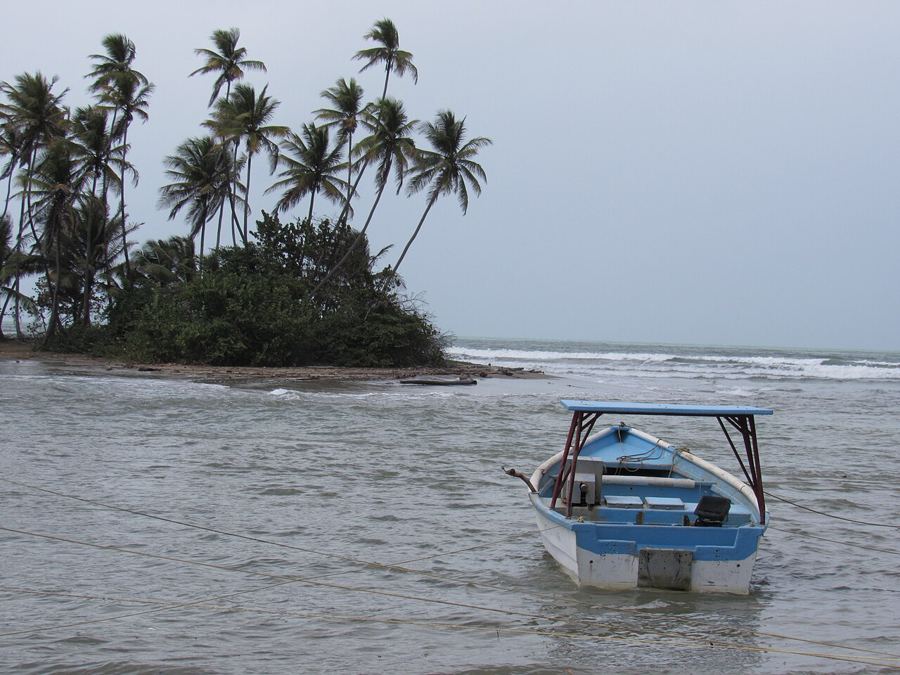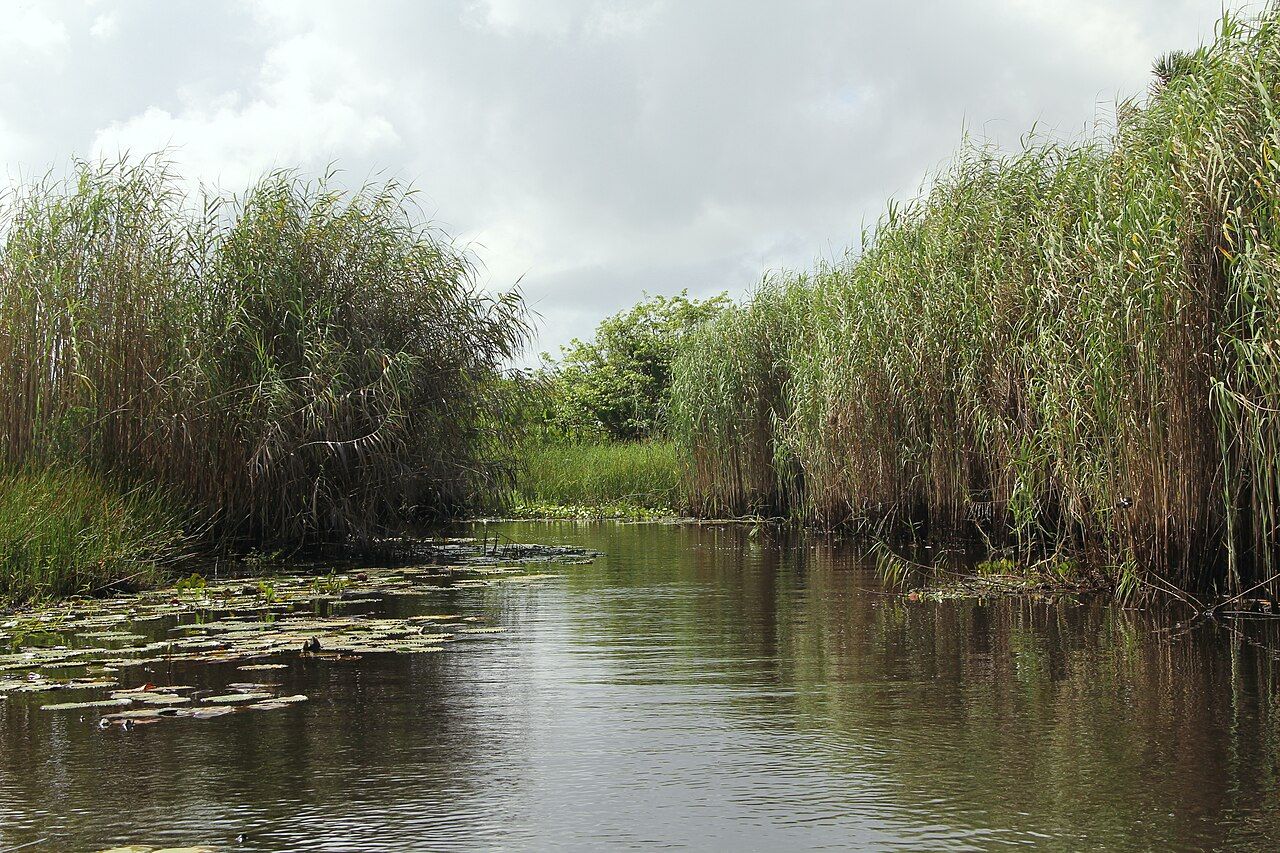
Drive south from Manzanilla along the coast road and you travel a narrow strip of land between two worlds. On the left the Atlantic rolls in, brown and restless. On the right, beyond a fringe of palms and scrub, a great flat country of reeds, palm forest and open water stretches away towards the hills of the Central Range. This is the Nariva Swamp, the largest freshwater wetland in Trinidad and Tobago, and one of the most important wild places in the country.
Nariva is listed as a wetland of international importance under the Ramsar Convention, and much of it is protected. It is not a place for a casual stroll. Paths are few, water levels rise and fall with the seasons, and the best of it is reached by boat, kayak or a muddy trail with someone who knows the ground. Take it slowly, though, and the swamp gives back a great deal.
A wetland of many parts
The word swamp makes it sound like one thing. In fact Nariva is a mosaic: freshwater marsh thick with tall grasses and reeds, swamp forest, stands of palm, patches of mangrove towards the coast and a few low islands of drier forest rising out of the wet. Rivers and channels thread through it, and the Nariva River carries its water out to the sea at the southern end of Manzanilla Bay.
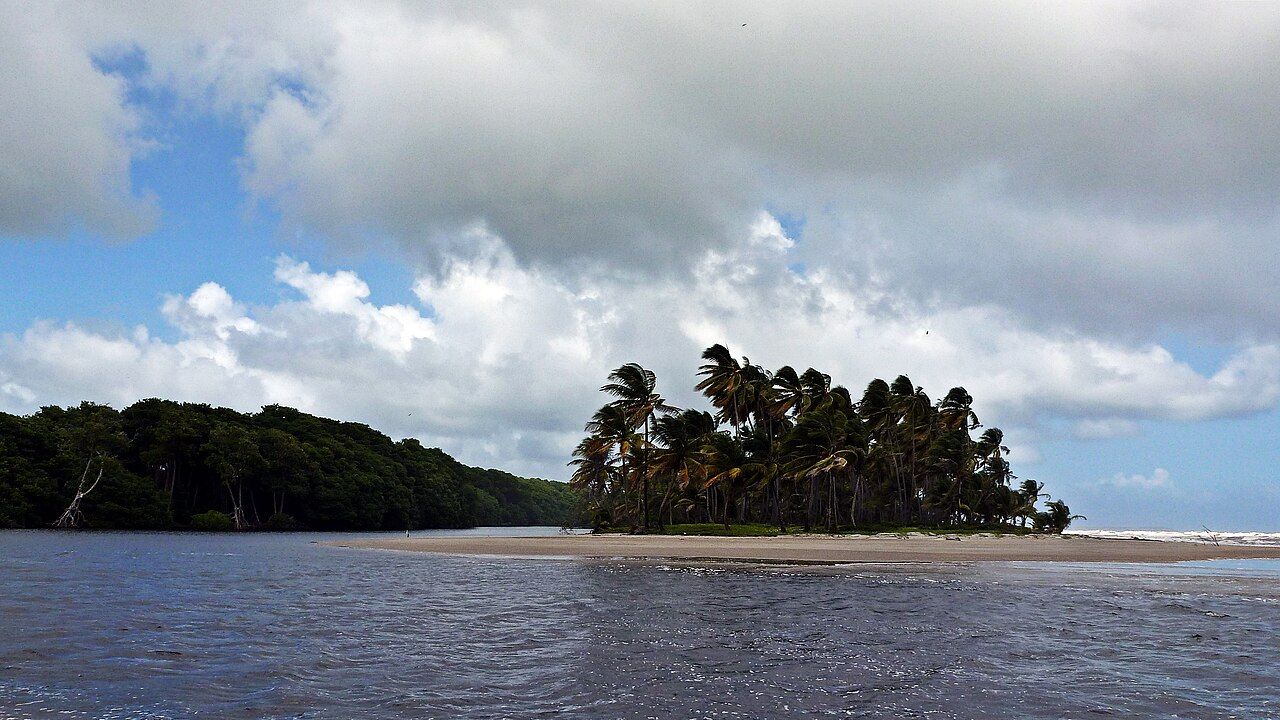
That mix of habitats is the reason so much lives here. Over the years parts of the swamp have been drained or burned for rice and other crops, and conservation work has gone into restoring them. You may see the scars of old clearings from a boat, alongside wide reaches that look untouched.
The best known of the islands is Bush Bush, a forested ridge in the heart of the swamp protected as a wildlife sanctuary. Reaching it takes a boat or a long walk through wet ground, and access to protected parts of Nariva is controlled. A permit is needed for some areas, and the simplest approach is to go with a licensed local guide, who will know the current rules and the state of the water.
Manatees, monkeys and macaws
Nariva is one of the few places in Trinidad where the West Indian manatee still lives. These large, gentle, plant-eating mammals move slowly through the channels and are shy and hard to see. Sightings are never promised. If you do glimpse a broad grey back or a snout breaking the surface, keep your distance and keep quiet.
Red howler monkeys are easier to find, or at least to hear. Their deep, roaring calls carry a long way through the forest, especially early in the morning. White-fronted capuchins live here too, moving in noisy bands through the trees. Caimans rest along the banks, and the swamp has a reputation for large snakes, anacondas among them, though most visitors never see one.
Then there are the macaws. Blue-and-gold macaws once lived wild in Nariva, disappeared, and were later reintroduced. Small flocks now fly over the palms, calling harshly, often in pairs. Seeing those colours against a grey east coast sky is the moment many birders come for. Look too for herons, hawks, kingfishers and the many small birds of the reeds.
Seeing those colours against a grey east coast sky is the moment many birders come for.
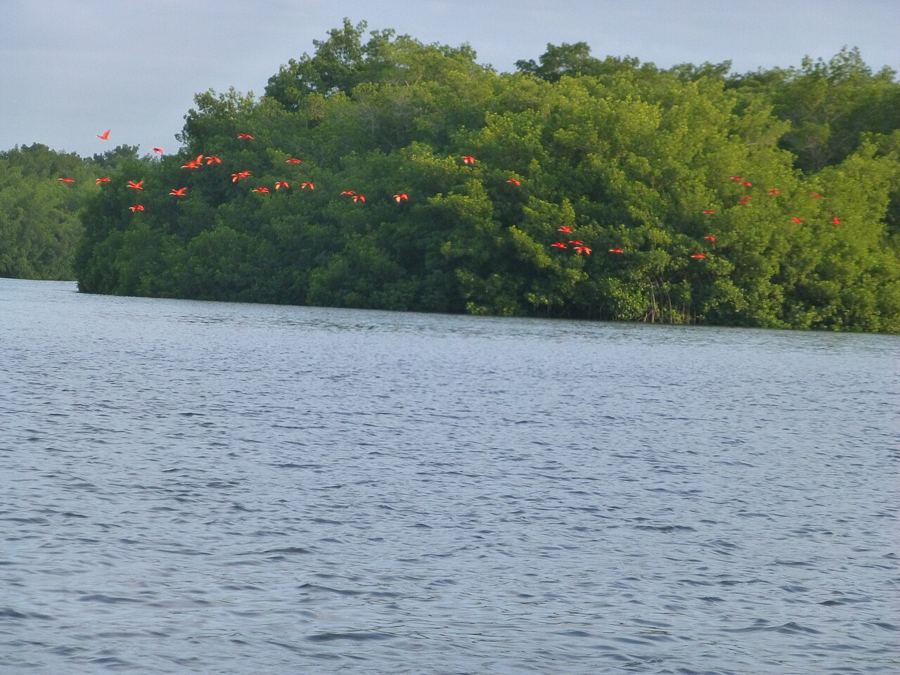 Another lime · Port of SpainScarlet ibis at dusk in the Caroni Swamp
Going with a guide
A licensed guide is not a luxury here. The swamp is large, channels shift, water rises quickly in the wet season and it is easy to lose your bearings in reeds taller than your head. A guide also knows where wildlife has been seen recently and how to approach without disturbing it. Ask whoever arranges your visit what permits are needed, what the boat or kayak trip involves and how long you will be on the water.
Fees, trip lengths and permit arrangements vary and change, so check before you go. Kayaks are a quiet way to move through the channels, and paddling with the tide of birdsong around you is the closest you come to the swamp's own pace. If you are not used to paddling, say so; a shorter trip is better than a tired one.
Seasons, heat and mosquitoes
The dry season, roughly January to May, is the more comfortable time. Trails are firmer, mosquitoes fewer and the light clearer. In the wet season, from around June to December, water spreads further across the swamp and boat travel can be easier in places, but rain can be heavy and insects are fierce.
Mosquitoes and sandflies are part of every visit. Wear long, loose sleeves and trousers in light colours, use a reliable repellent and reapply it. Morning is cooler and livelier than the middle of the day, when the sun on open water is hard work. Carry plenty of drinking water, a hat and a dry bag for your phone and binoculars.
Making a day of the east coast
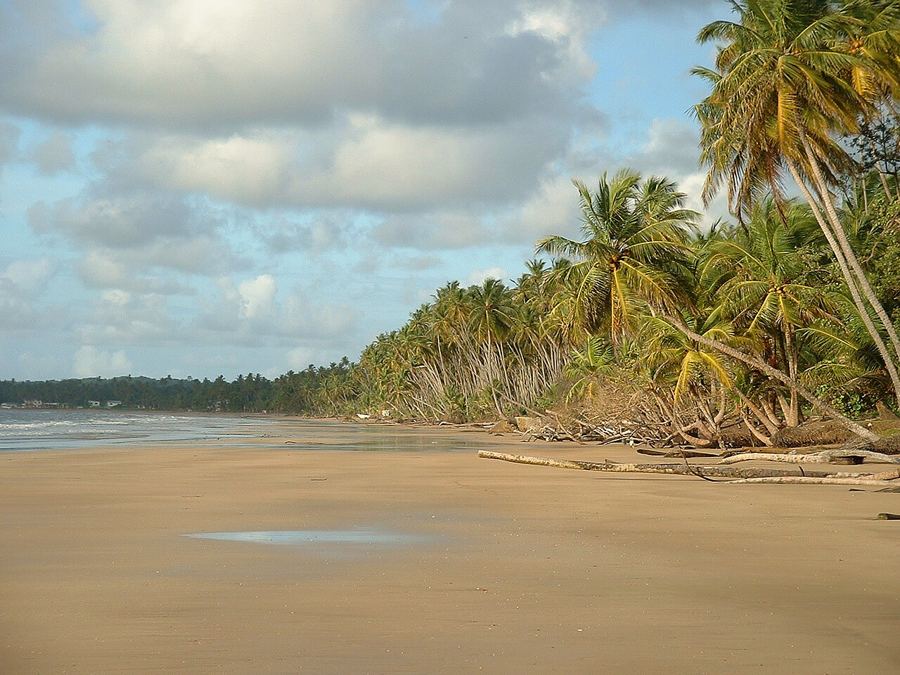
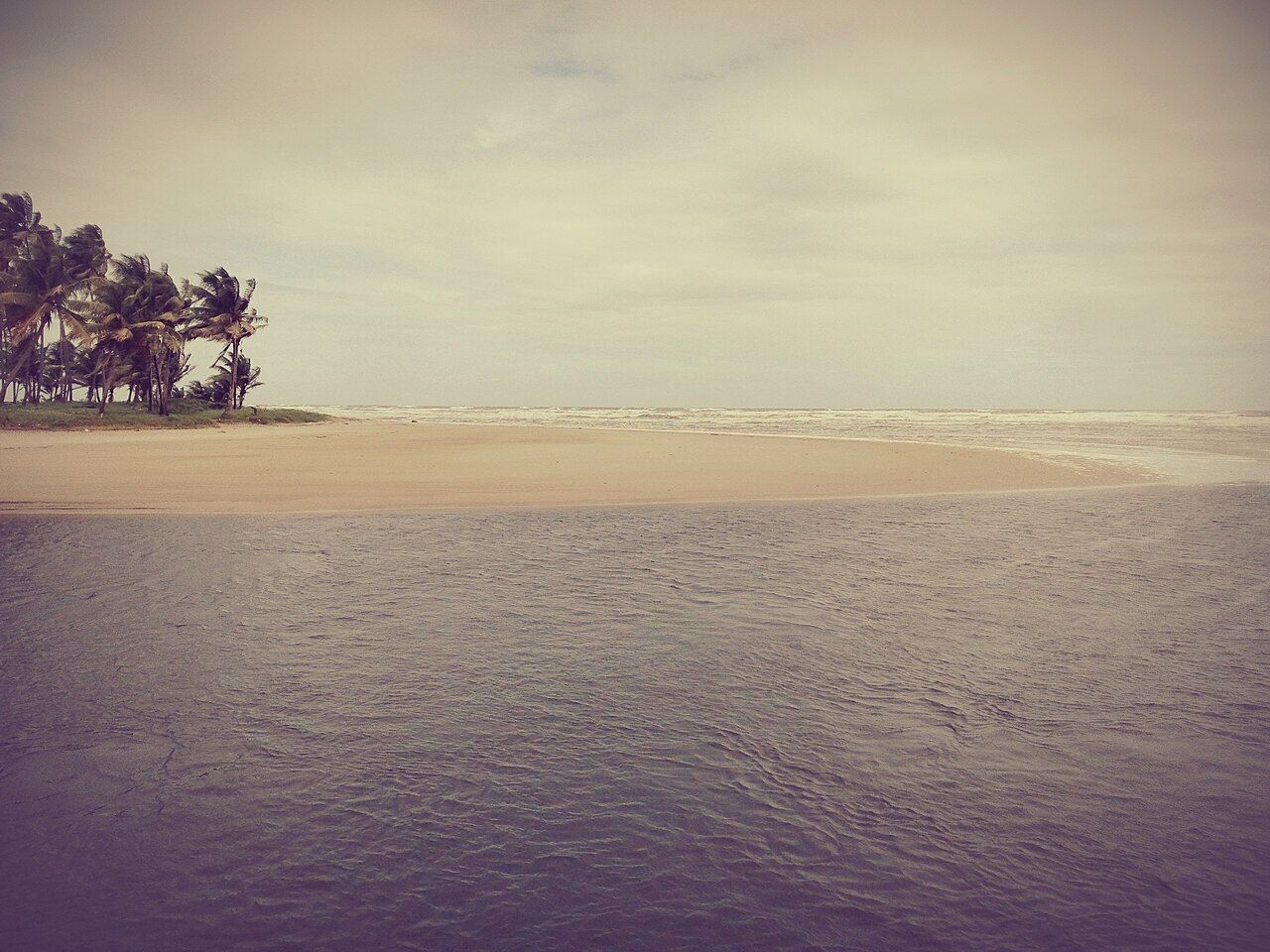
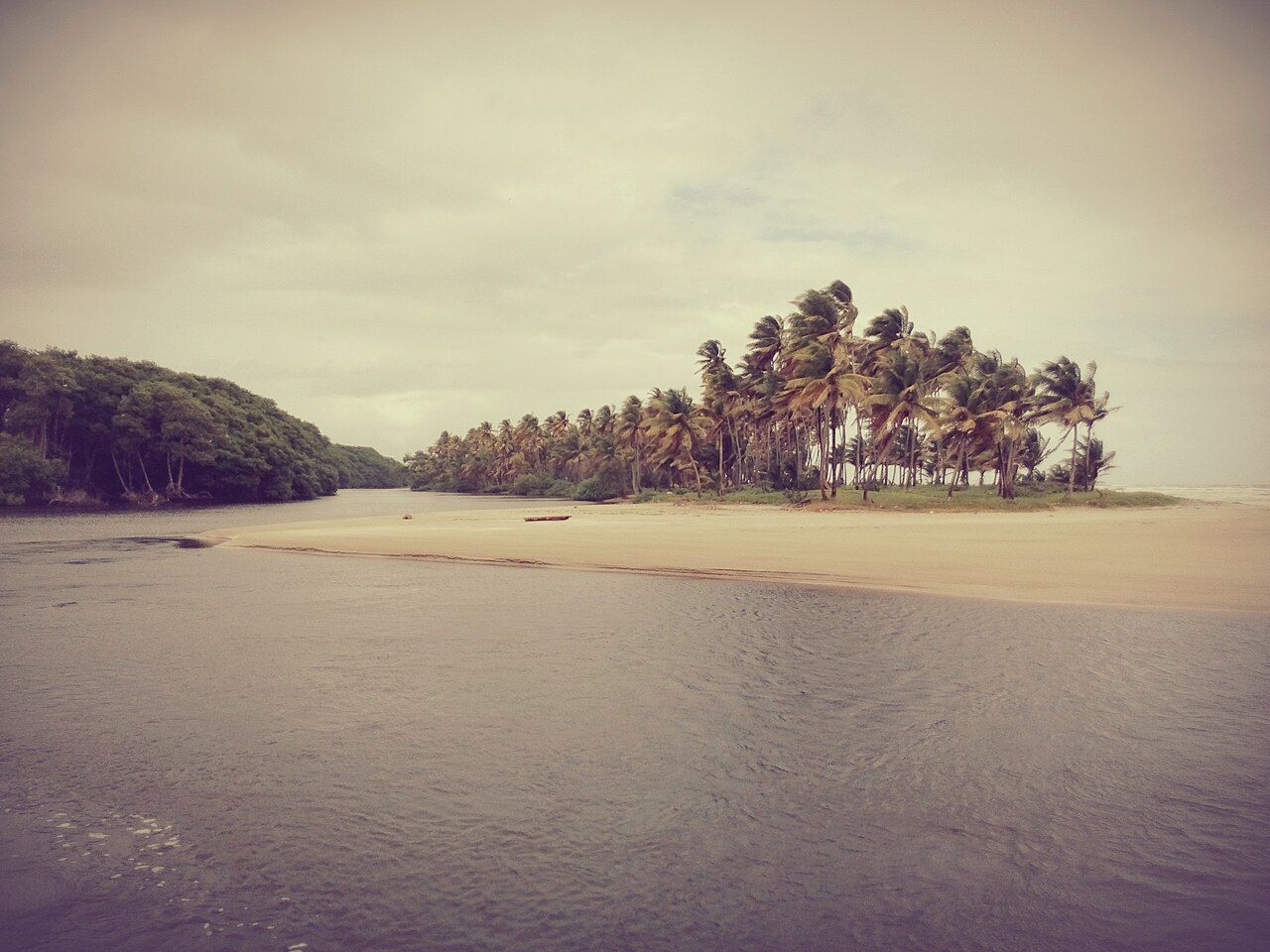
Nariva fits naturally into a day on the east coast. The road along the Cocal runs between the swamp and the sea, and the long beach is never far away when you want to rest after a morning on the water. To the south lies Mayaro and the quiet southeast, an easy continuation if you want to stay the night on that side of the island.
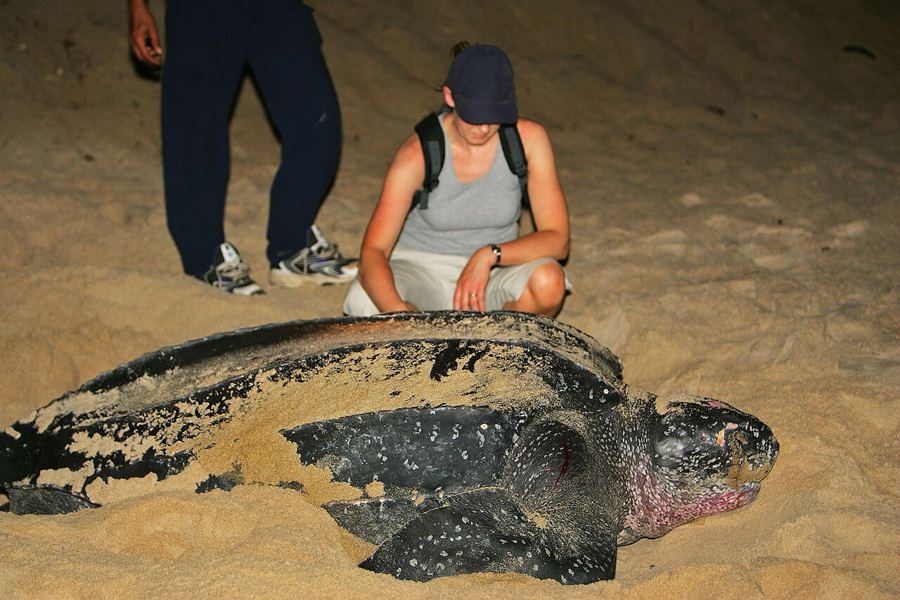
The Atlantic here is no swimming pool. Rip currents are common along the east coast, so stay in your depth, swim only where locals do and stay out when the sea is rough. If you are on the island in the nesting season, the leatherback beaches further north make another fine evening with nature.
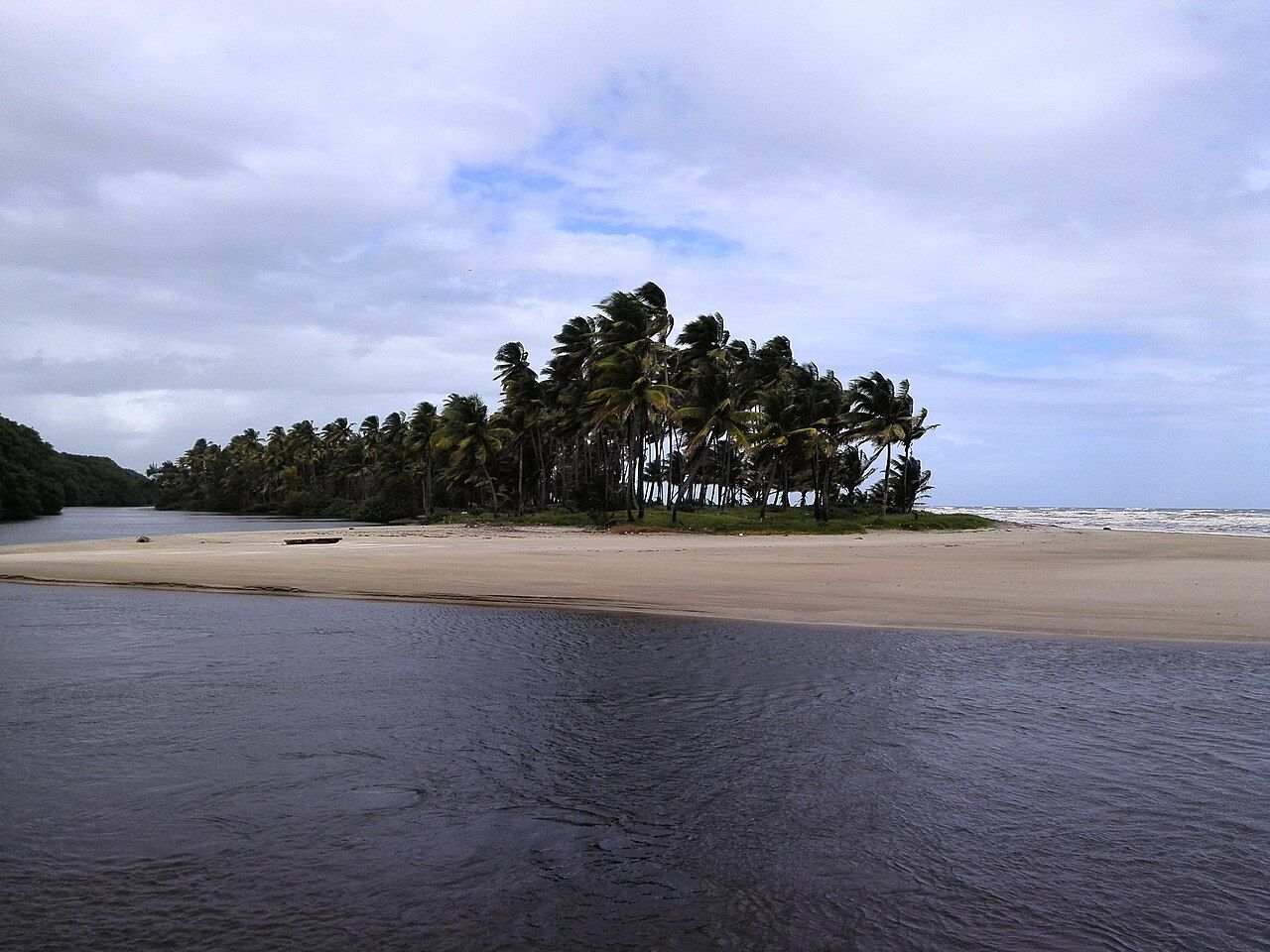
If you only have a short time, even the road itself gives you a taste. Pull over safely where the swamp comes close to the tarmac, switch off the engine and wait. Herons lift out of the reeds, hawks hunt along the edges and, in the early morning, the calls of howlers roll across the water from the forest beyond. It is no substitute for a proper trip with a guide, but it shows you why people fall for this landscape.
Respect the place as you go. Take every scrap of rubbish home, keep music off on the water, never feed wildlife and do not pick plants or disturb nests. Hunting and fishing rules apply in protected areas, and fires are a real threat to the swamp in the dry season, so be careful with anything that burns.
Above all, give the swamp time. Sit still in the boat, let the engine or paddles rest, and listen. The howlers, the macaws and the slow wash of water through the reeds are what you came for, and they come to those who wait.