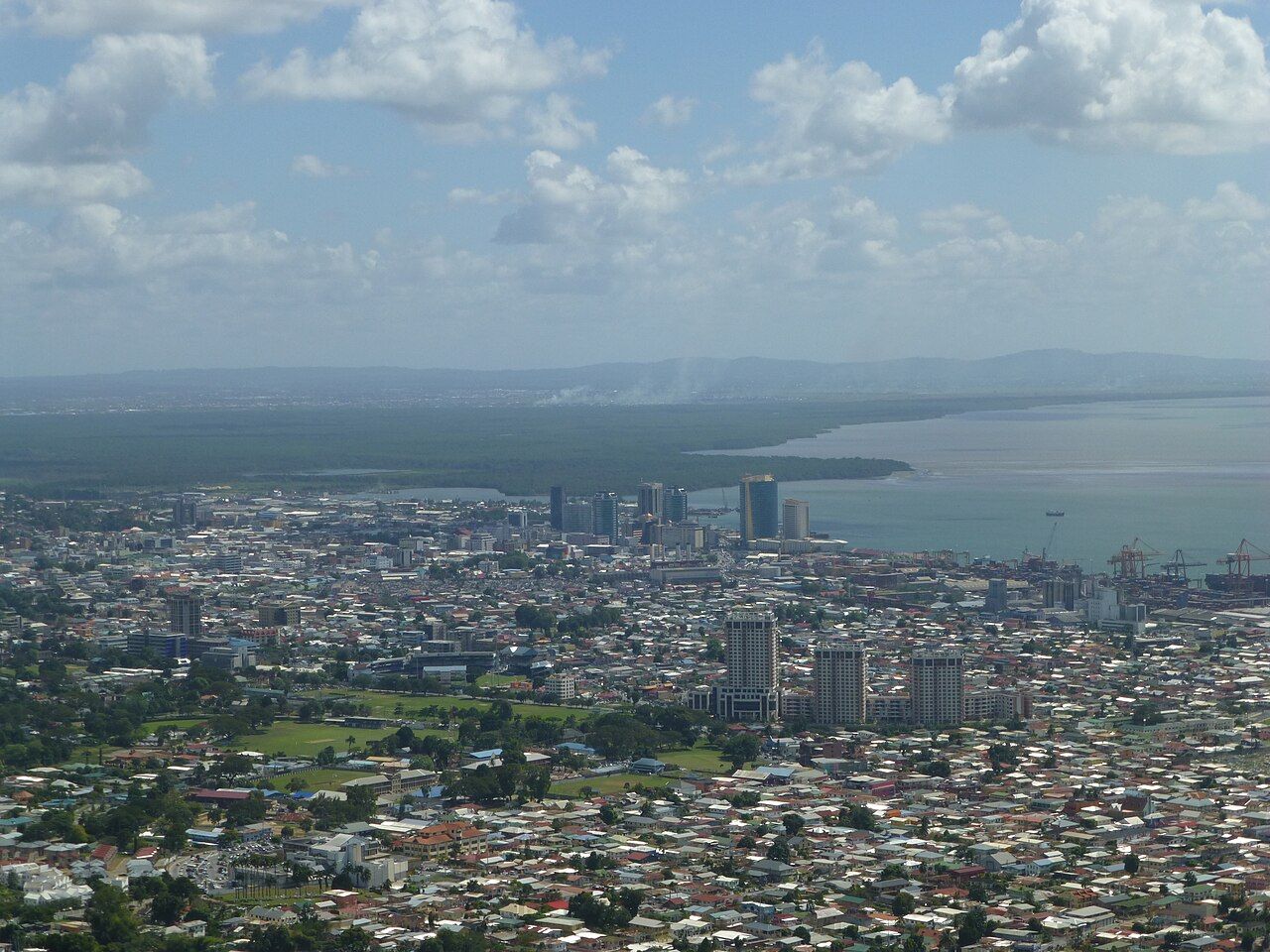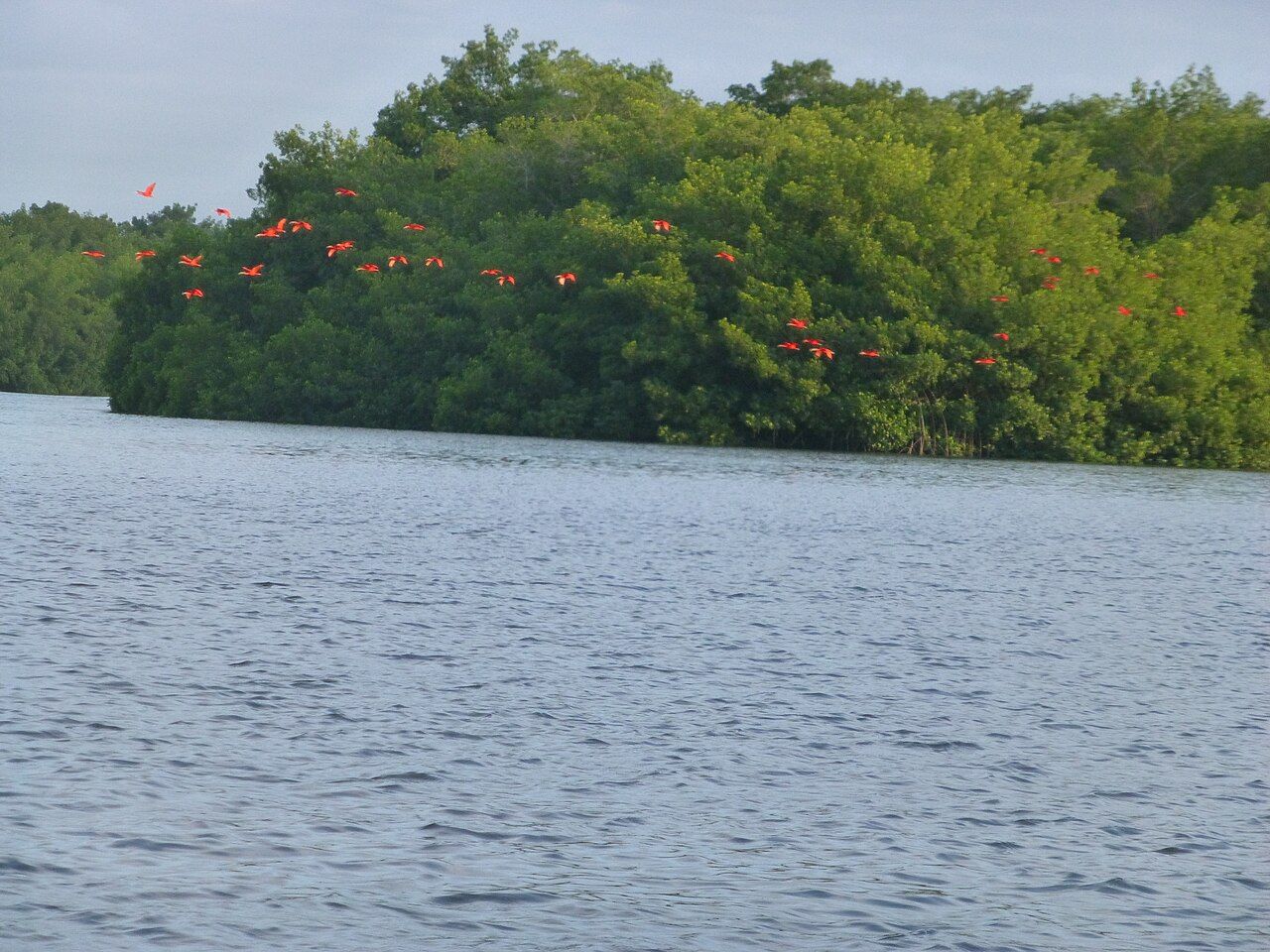
Every evening, just south of Port of Spain, one of the most striking bird spectacles in the Caribbean plays out above a tangle of mangroves. As the sun lowers, scarlet ibis begin to arrive in small groups, then larger ones, flying low over the water to settle on a few island stands of trees in the middle of a lagoon. By the time the light fades the green is spotted and streaked with red. The scarlet ibis is Trinidad's national bird, and seeing it come home to roost in the Caroni Swamp is one of the gentlest and most memorable evenings the island offers.
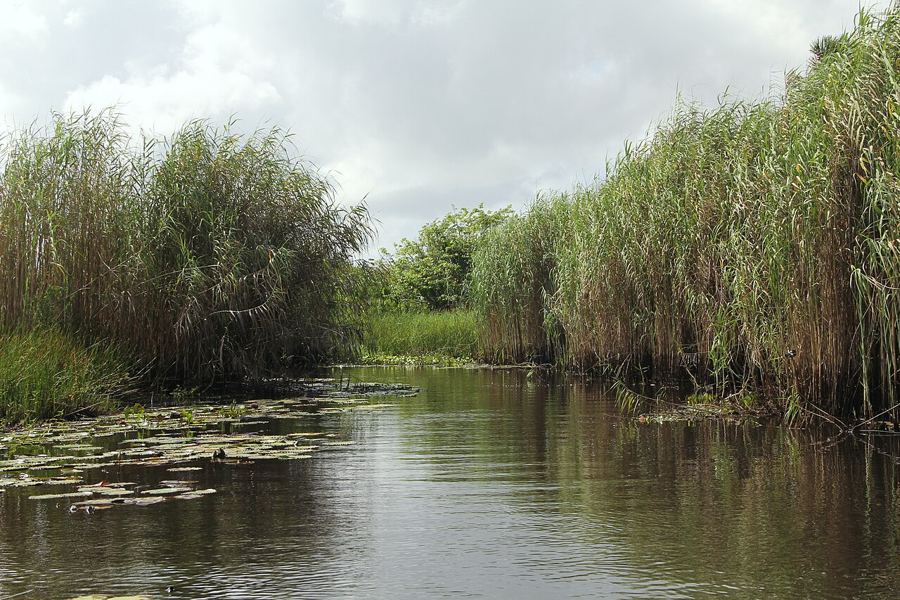
The swamp is close to the city and to the busy highway that runs south, but once the boat pushes off into the channels the traffic fades and the world shrinks to water, roots and birdsong. It suits almost anyone: there is no walking to speak of, the boats are steady, and all you need to do is sit and look.
The swamp and its mangroves
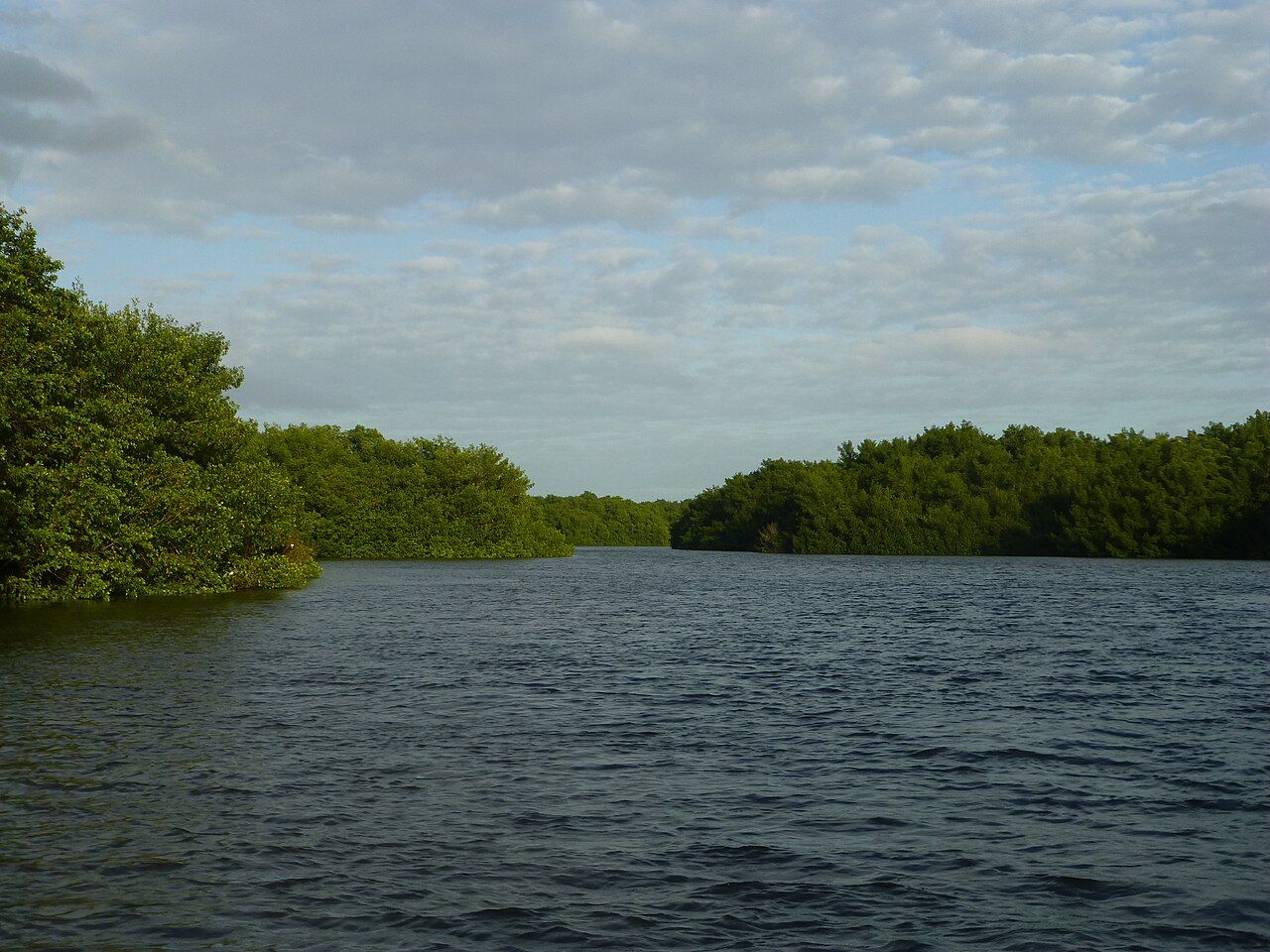
The Caroni Swamp is a large estuarine wetland where the Caroni River and smaller streams meet the Gulf of Paria. Much of it is mangrove forest threaded with channels, opening into shallow lagoons and grading inland into freshwater marsh. It is protected as a wildlife sanctuary and recognised internationally as a wetland of importance, and the swamp also supports local fishing and crabbing.
Three kinds of mangrove grow here. Red mangroves stand on arching prop roots at the water's edge; black mangroves send up pencil-like breathing roots from the mud; white mangroves grow a little further back on firmer ground. Together they shelter young fish, crabs and oysters, filter the water, and protect the coast from storms. From the boat you can see how the roots catch silt and slowly build new land.
How the boat trips work
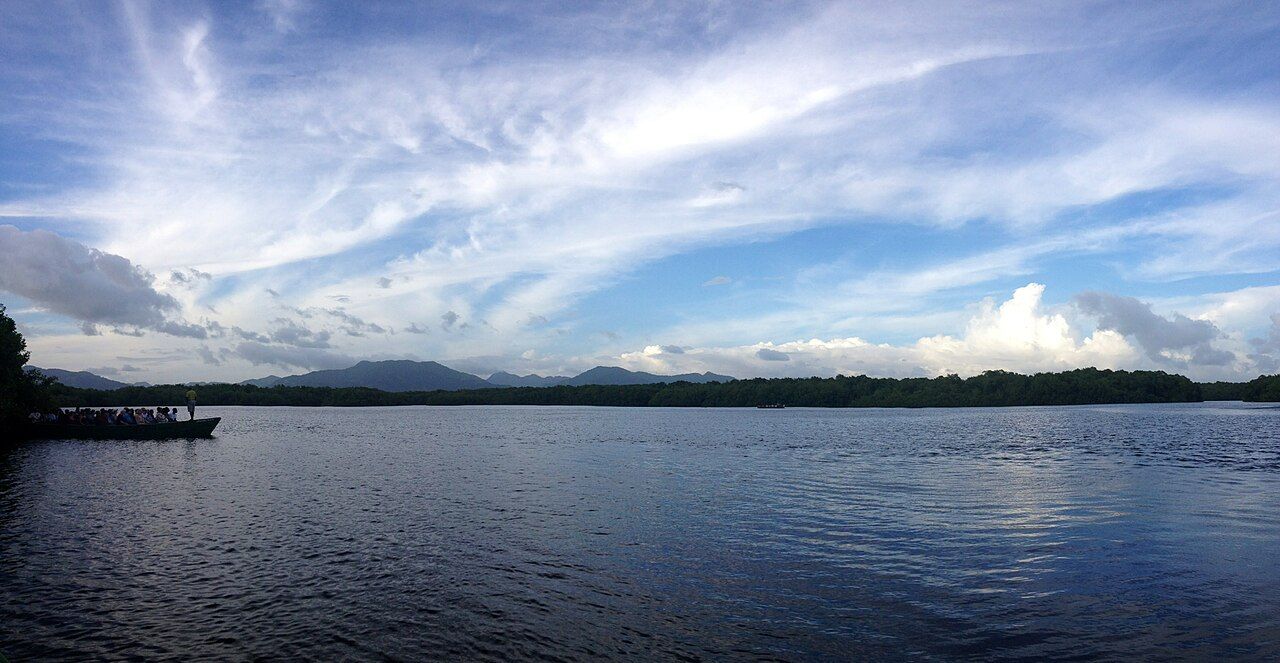
Boats leave from the edge of the sanctuary near the highway. Licensed boatmen take groups through the channels in open, flat boats with bench seats, and the usual departure is in the late afternoon, timed so that you reach the lagoon before the ibis arrive. A trip normally lasts a couple of hours. The exact departure times, fees and how to reserve a place change, so check before you go, and arrive in good time, because boats leave on schedule to catch the light.
The first part of the trip winds slowly through narrow channels where the guide watches the branches for wildlife. Then the boat comes out into open water and moors at a respectful distance from the roosting islands. Engines go quiet, and everyone waits. Boats are not allowed to go close to the roost, and that distance protects the birds; binoculars make a large difference here.
Scarlet ibis and other wildlife
Adult scarlet ibis are an astonishing colour, a deep, glowing red that comes from the pigments in the crabs and other small creatures they eat. Young birds are brown and grey and gain their colour gradually. In flight the adults show black tips to their wings and long, curved bills. They feed on mudflats and in shallow water across the region during the day and return to the safety of the mangrove islands at dusk.
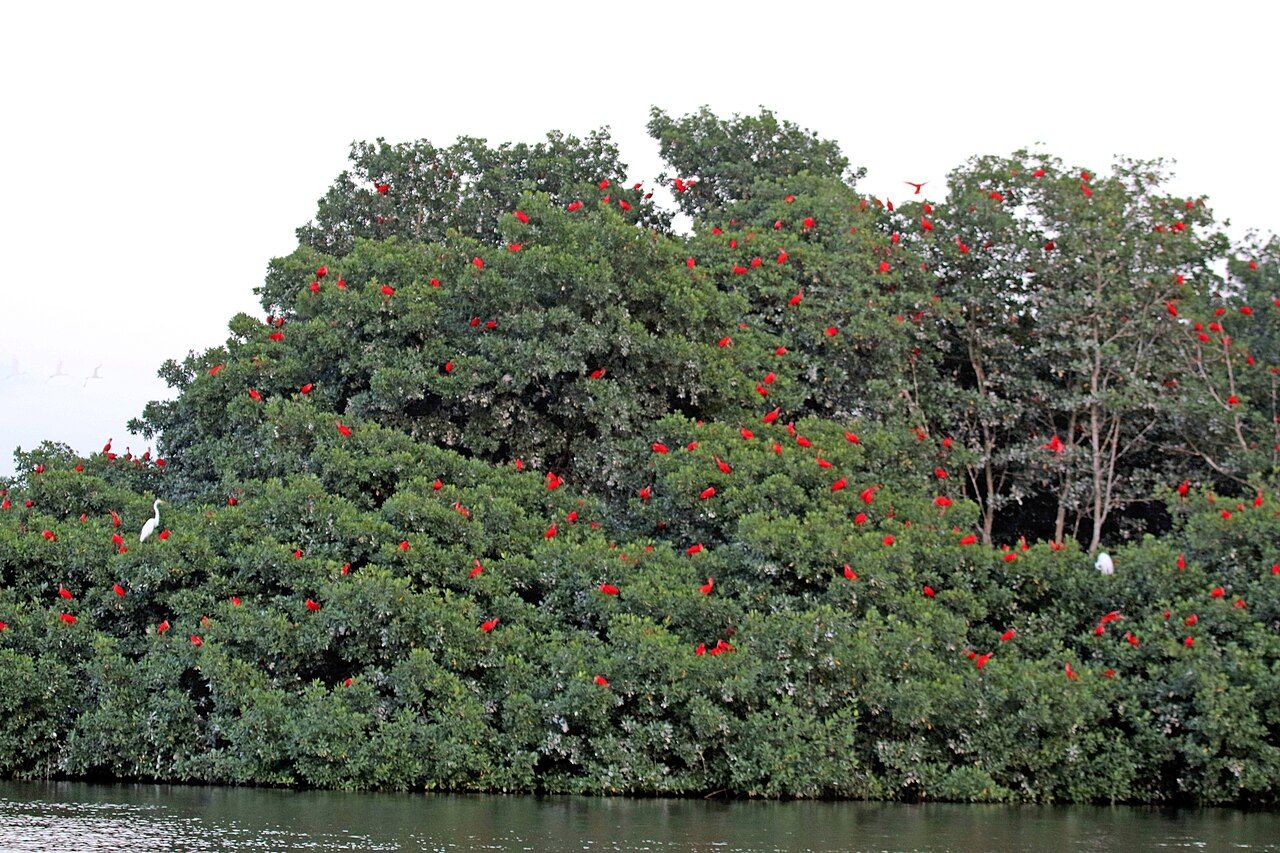
They are not the only birds coming in. Little blue herons, tricoloured herons and snowy egrets arrive too, and their white and grey shapes mix with the red until the trees look decorated. Earlier in the trip, watch for kingfishers, yellow-crowned night herons on low branches, and hawks overhead. In some seasons, flamingos feed on the lagoon flats.
 Another lime · East coastNariva Swamp, the great wetland of the east
The channels hold more than birds. Guides often spot Cook's tree boas coiled on branches over the water, sleeping through the day; they are harmless if left alone. Silky anteaters, small golden creatures curled in the mangrove canopy, are a lucky find. Fiddler crabs wave their oversized claws on the mud, and mangrove crabs climb the roots. Look, point, and let the guide do any handling, which is best avoided altogether.
Engines go quiet, and everyone waits.
When to go and what to bring
The ibis roost here through the year, though numbers vary with the season and the state of their feeding grounds. The drier months, roughly January to May, tend to give clearer evenings, while the wet season brings dramatic skies and the chance of a shower. Either way, sunset is the reason to come, so the late-afternoon departure is the one to choose.
- Insect repellent is essential; mosquitoes and sandflies rise as the light fades.
- Binoculars bring the roost close; a camera with a long lens helps for photos.
- A light long-sleeved layer keeps both the sun and the insects off.
- Water and a small snack, as the trip runs into the evening.
Keep your voice down near the roost and avoid flash photography toward the birds. The boatmen know the rules and the reasons for them; follow their lead.
Children usually love the trip, as long as they can sit still for a while at the end. Bring something to keep small hands busy during the wait, and explain beforehand that the boat stays back from the birds. Sit low in the boat and keep arms inside when passing under branches, as the channels are narrow in places and the mangroves lean close over the water.
The return journey runs in the dusk and then the dark. The boatman knows the channels well, and the ride back is part of the pleasure: the sky fades from orange to deep blue, the first stars appear, and the calls of night birds and frogs rise from the mangroves. Bats sometimes skim the water ahead of the boat, picking insects from the air.
The Caroni plain and the road home
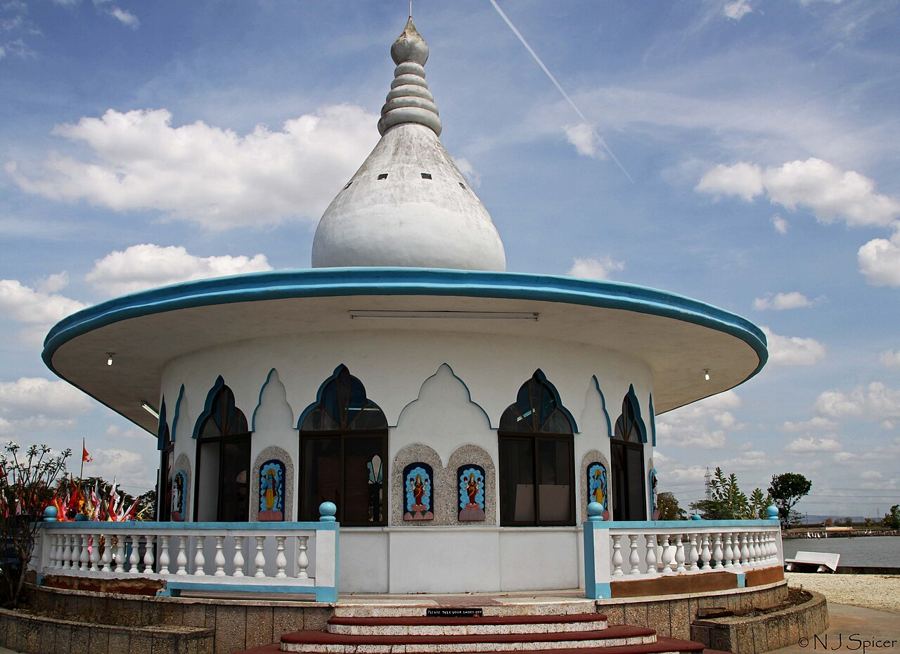
The land around the swamp is the Caroni plain, long given over to sugar cane and now a mix of farms, villages and new housing. Driving out in the late afternoon, you see the Northern Range rising to the north and the flat country stretching south toward central Trinidad, where Hindu temples and prayer flags mark the villages. The Temple in the Sea at Waterloo lies a short drive further south and pairs well with an afternoon here.
The trip ends after dark, so plan your ride back in advance if you are not driving. Many people combine the swamp with a day in the capital; it is close enough to the Savannah and the city centre to make an easy afternoon and evening. If wetlands draw you, the great freshwater marsh of Nariva on the east coast is a wilder, more remote companion to Caroni.