Carnival in Trinidad is less a weekend than a season. It builds from soon after New Year, gathers pace through January and February, and breaks over two days of masquerade on the Monday and Tuesday before Ash Wednesday. Because Ash Wednesday follows the church calendar, the dates move every year, sometimes landing in early February and sometimes in March. Check the dates before you plan anything else.
The heart of it is Port of Spain, though towns across both islands hold their own events. You do not have to join a costumed band, stay up all night or drink rum to enjoy it. Plenty of people take the season slowly: an evening in a pan yard, a calypso show, an early morning watching J'ouvert roll past, an afternoon on the pavement as the bands cross the stage. That gentler way is what this guide is about.
The weeks before: pan yards and tents
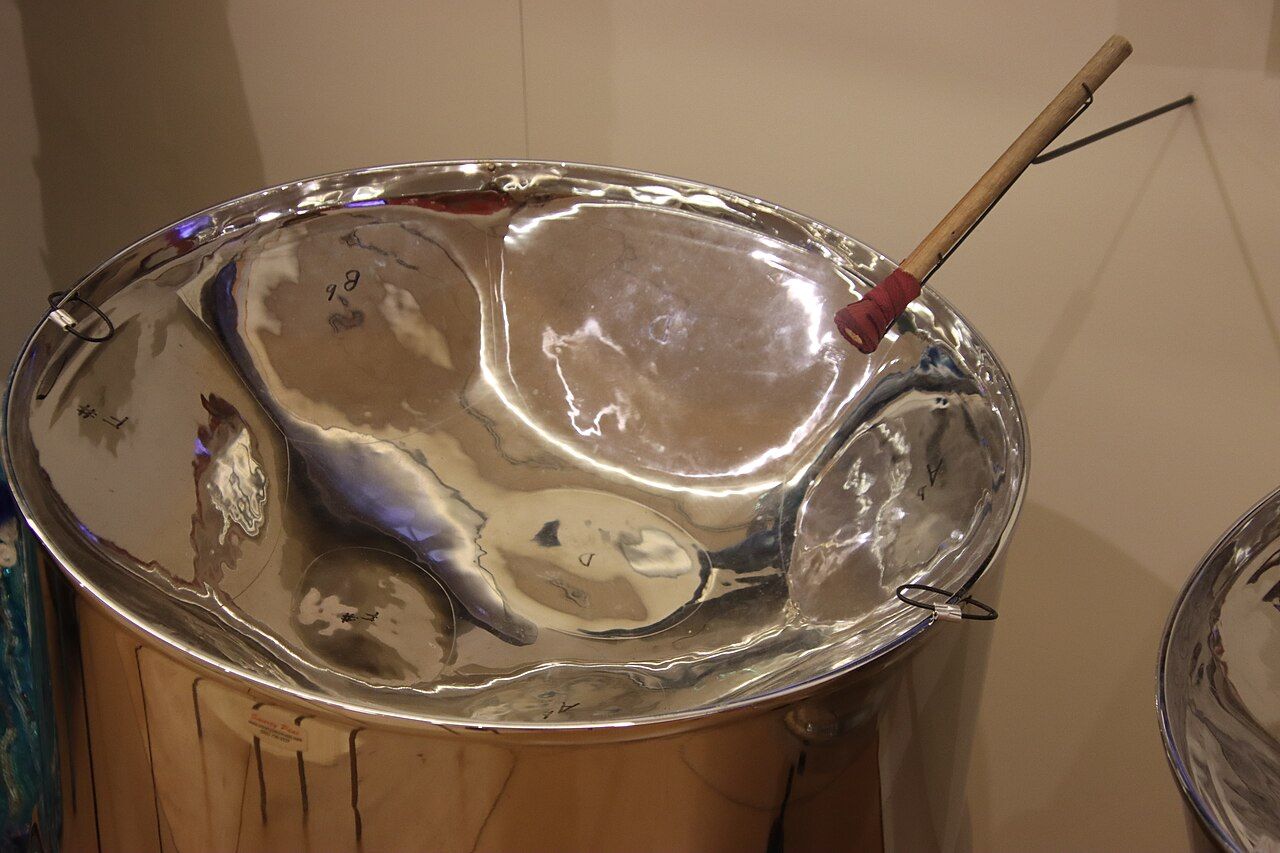
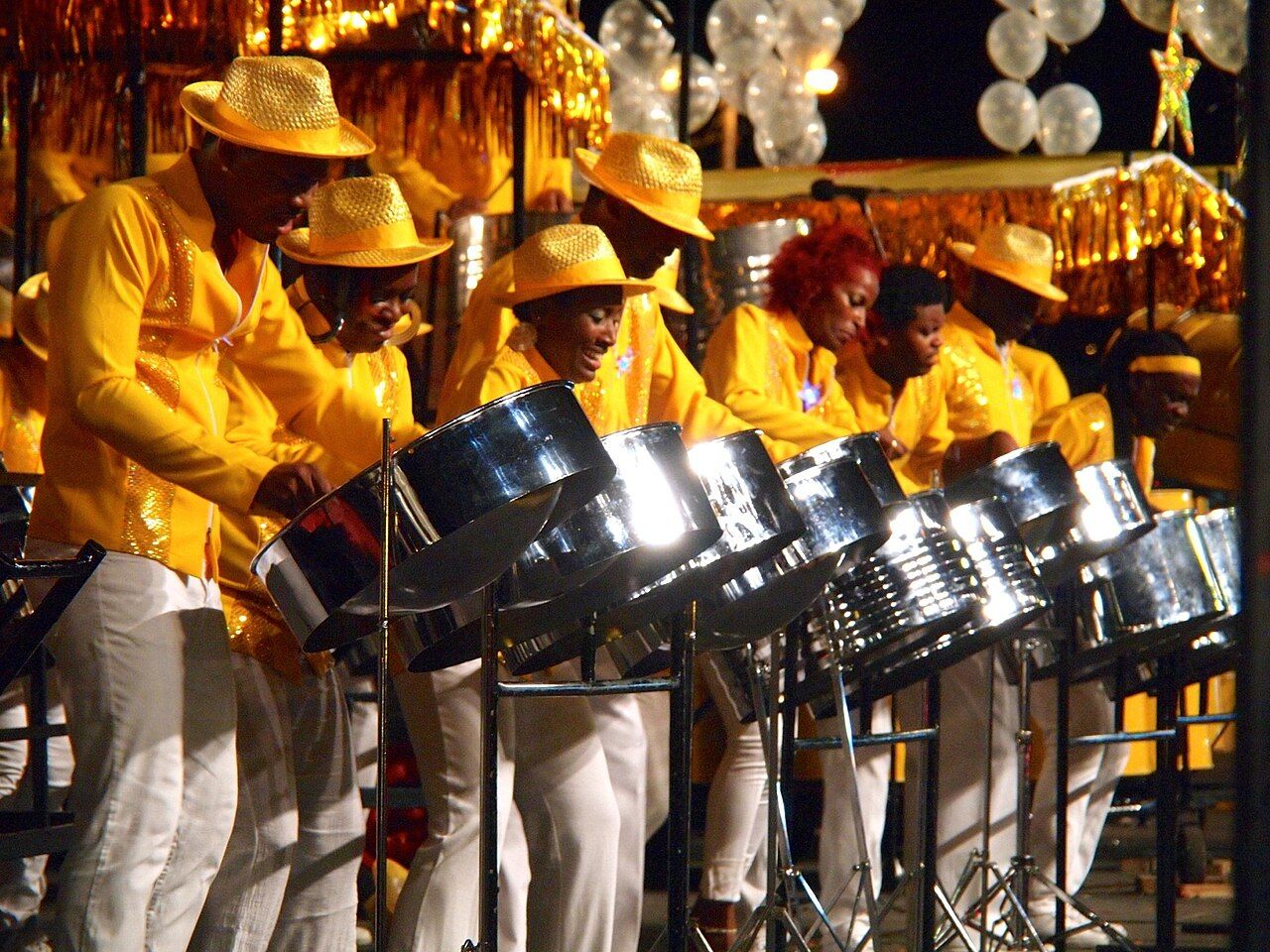
Steelpan, the instrument born in Trinidad from oil drums and biscuit tins in the last century, is the sound of the season. In the weeks before Carnival, steel orchestras rehearse most evenings in their pan yards, open lots or covered sheds in neighbourhoods around Port of Spain and beyond. Many welcome quiet visitors. You stand or sit at the edge, listen to sections work through the same eight bars again and again, and then hear the whole band lock together on the tune it will play for the big competition.
Be a good guest. Ask before taking close photographs of players, keep out of the way of anyone moving instruments, and buy a drink or a snack from whoever is selling at the gate if that is the custom. Rehearsals usually start in the evening and can run late. Pan yards are easiest to reach by taxi; arrange a ride back before you go rather than looking for one at midnight.
Calypso and soca tents are the other early-season pleasure. Calypso is the older form, witty and political, built on clever lyrics about the year's news; soca is its faster, dance-driven offspring. Shows in halls and theatres let you hear singers try out the season's songs, and the jokes land best if you have followed a little of the local news. Every year a few songs catch fire and you will hear them from every car and shop speaker until Ash Wednesday.
Panorama, Dimanche Gras and the big shows
Panorama is the national steelband competition, held in rounds through the season and building to a final on the Saturday before Carnival, traditionally at the Queen's Park Savannah. Large bands of a hundred or more players roll their pans onto the stage on wheeled racks and play long, intricate arrangements of a calypso. The area where supporters gather beside the stage, known as the Drag, is loud and sociable; the stands are calmer and better for listening.
Dimanche Gras, on the Sunday night, brings the finals of the costume kings and queens: enormous wire-and-fabric creations carried, pushed and danced across the stage by one person. Children's Carnival, usually on the weekend before, is a cheerful daytime parade of young masqueraders and one of the most relaxed ways to see costumes up close. Ticket prices and venues for all of these change from year to year, so check before you go.
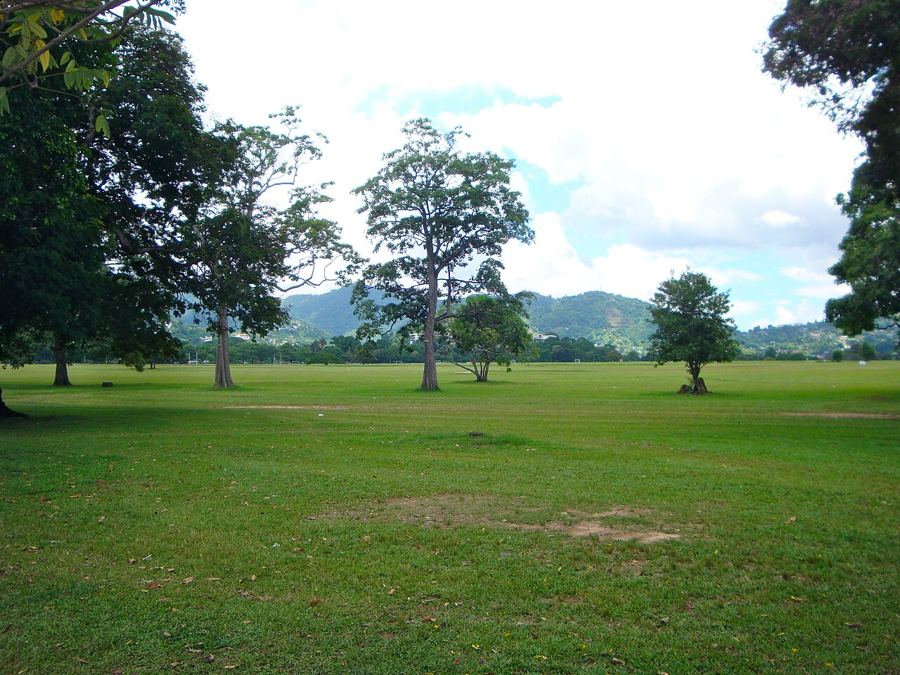
The Savannah itself is worth knowing on a quieter day, and the walk around the Savannah gives you the layout of the grounds and streets you will later see packed with people.
J'ouvert at dawn
J'ouvert, from the French for daybreak, opens Carnival in the dark hours of Monday morning. It is the oldest, rawest part of the festival, with roots in the celebrations of freedom after emancipation. Revellers cover themselves in mud, paint, chocolate or oil, follow music trucks and rhythm sections through the streets, and greet the sunrise already filthy and happy. Traditional characters appear here: devils with horns and tails, blue devils smeared head to toe, and figures carrying the old satire of the streets.
If you go, wear clothes and shoes you are happy to throw away, carry nothing you would mind losing, and keep your phone in a sealed bag. Watching from the edge is fine, but expect a smear of paint if you stand close. Go with friends, agree a meeting point before you set out, and leave together.
 Another lime · Port of SpainPort of Spain around the Savannah
Monday and Tuesday mas
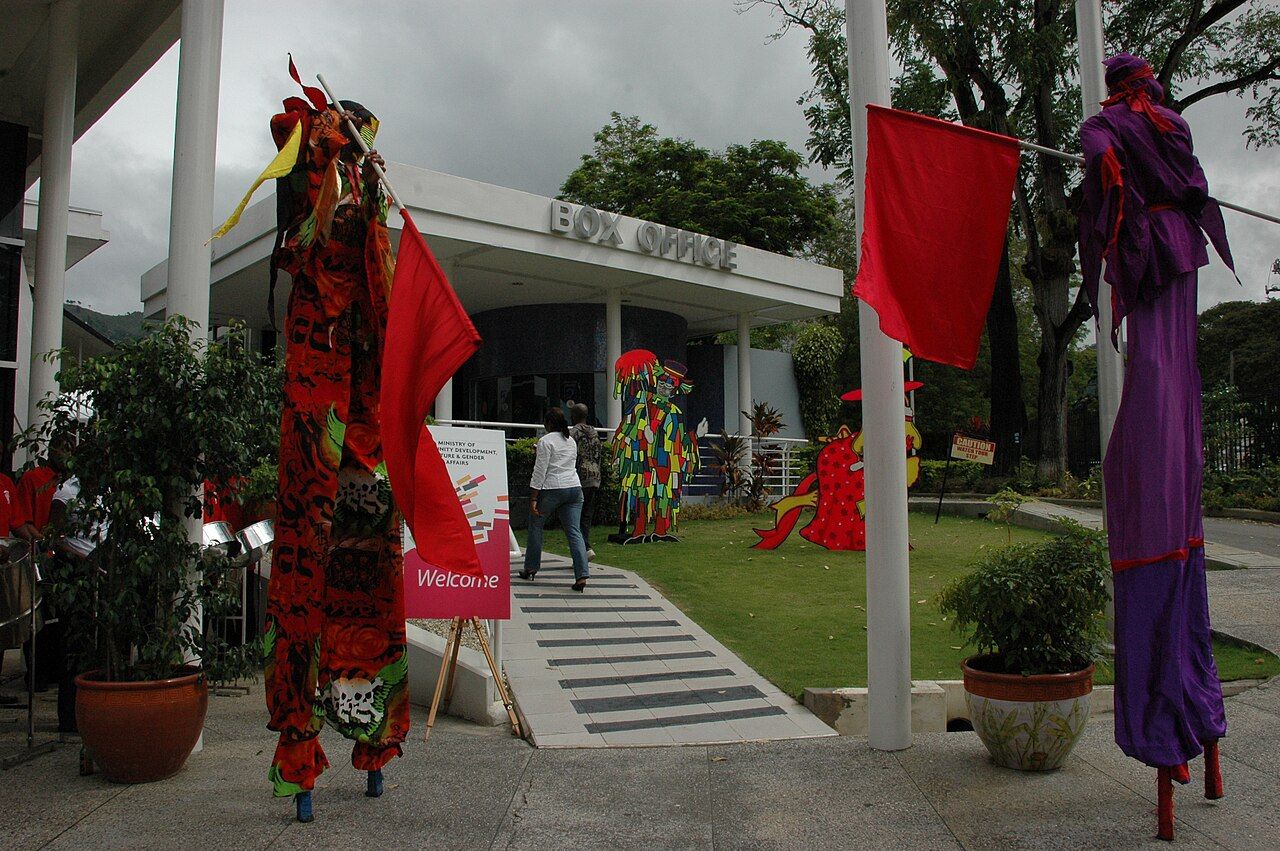
Mas, short for masquerade, is what the costumed bands play on the two big days. Monday is looser and often half-costumed; Tuesday is the full display, with sections of a band dressed in a shared theme and crossing judging points along set routes through Port of Spain. Moko jumbies, the stilt walkers who tower over the crowd, are a much-loved sight; they come from a West African tradition and dance with surprising grace on legs several metres tall.
You can watch for free from the pavement along the routes. Find shade early, because the sun on a February afternoon is fierce, and claim a spot near a junction where bands slow down. Families set up folding chairs and coolers and stay the day. Joining a band is a separate matter that involves registering well ahead; this guide does not arrange it, and costs vary widely.
The day ends with the last lap on Tuesday evening, when bands make one final, slow pass and people squeeze out the last hours of Carnival before Ash Wednesday brings everything to a quiet stop. Plenty of people then head for the coast to rest; the beach at Maracas is a favourite for the Wednesday.
Respect, crowds and staying well
Carnival is generous and welcoming, and it rewards the same in return. Dance with people who want to dance with you, and step back from anyone who does not. Ask before photographing masqueraders up close, especially children. Keep out of the path of band trucks, which are large and move slowly but cannot stop quickly.
Carnival is generous and welcoming, and it rewards the same in return.
Crowds are the main safety concern. The streets can become very dense around stages and judging points, and in a crush the sensible move is always toward open space, not deeper in. Agree a meeting place with your group, keep phones and cash in front pockets or a slim pouch under your clothes, and leave large bags at home. Drink water steadily, because heat and dancing dehydrate you faster than you notice, and eat proper meals. Earplugs help near the sound trucks.
- Carry a small amount of cash, a copy of your ID and a charged phone.
- Arrange transport home before the evening, as taxis are hard to find late.
- Use sunscreen and a hat on the long afternoon of Tuesday.
- Look out for friends, and leave together.
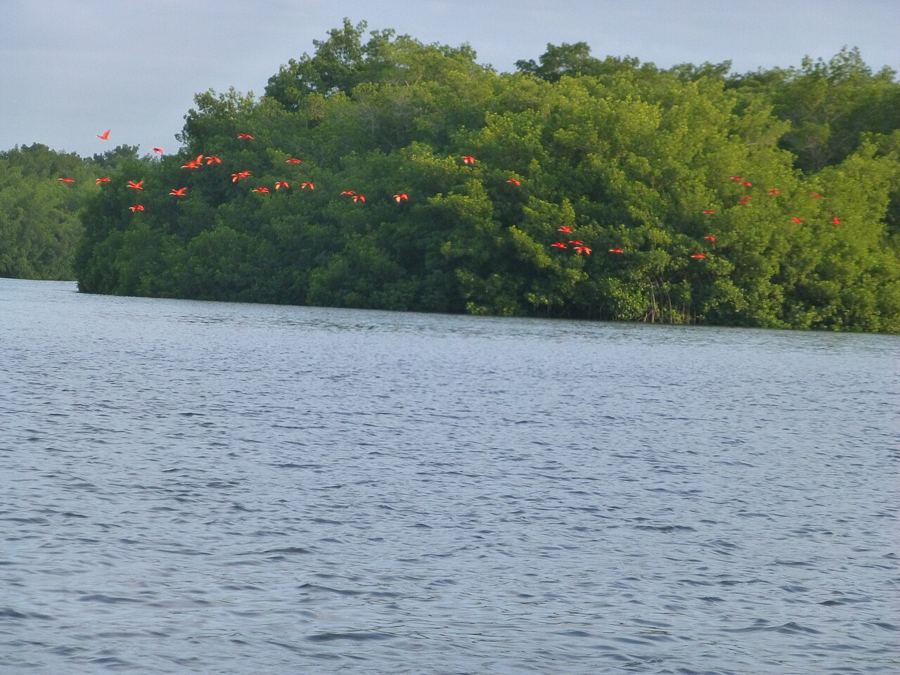
Accommodation fills months ahead and prices rise steeply around the festival, so plan early and check before you go. If the crush of Port of Spain becomes too much, the countryside is never far. A morning in the Caroni Swamp or along the coast makes a calm counterweight to the nights of music.
A gentler Carnival
You can build an easy-paced season around a few anchors. Spend one evening in a pan yard, one at a calypso show, one watching Panorama from the stands. Get up before dawn on Monday to see J'ouvert pass without joining it, then sleep through the afternoon. On Tuesday, find a shady spot on the parade route by late morning and stay until the light softens. That is enough to feel the festival properly without exhausting yourself.
Carnival also travels. Smaller towns hold their own parades, and Tobago has its own celebrations at the same time with a calmer feel. Wherever you watch from, the music stays with you long after Ash Wednesday, and a few bars of a road march will bring the whole thing back for years.