Most visitors to Trinidad head for the Northern Range or the coast, and few think of the island's middle. Yet the Central Range, a line of low, forested hills running across the island, has its own quiet wonders. One of the most remarkable is Tamana Hill, the highest point of the range, where limestone caves shelter enormous numbers of bats. At dusk, they leave the caves to feed, and watching that flow of wings into the evening sky is one of the more unusual wildlife experiences the island offers.
A limestone hill in the forest
Tamana rises above the surrounding countryside in a part of central Trinidad where farmland, villages and forest meet. The hill is made largely of limestone, a rock that water slowly dissolves, and over a very long time this has created caves, sinkholes and passages within the hill.
The forest on the slopes is thick and humid, with tall trees, vines and a deep layer of leaf litter underfoot. Birds call from the canopy, and you may hear or glimpse monkeys and other wildlife if you move quietly.
The bats
Trinidad is home to a great many kinds of bats, more than any other group of mammals on the island, and the caves at Tamana hold several species and very large numbers of individuals. They roost in the dark through the day, hanging from the ceilings and walls of the caves.
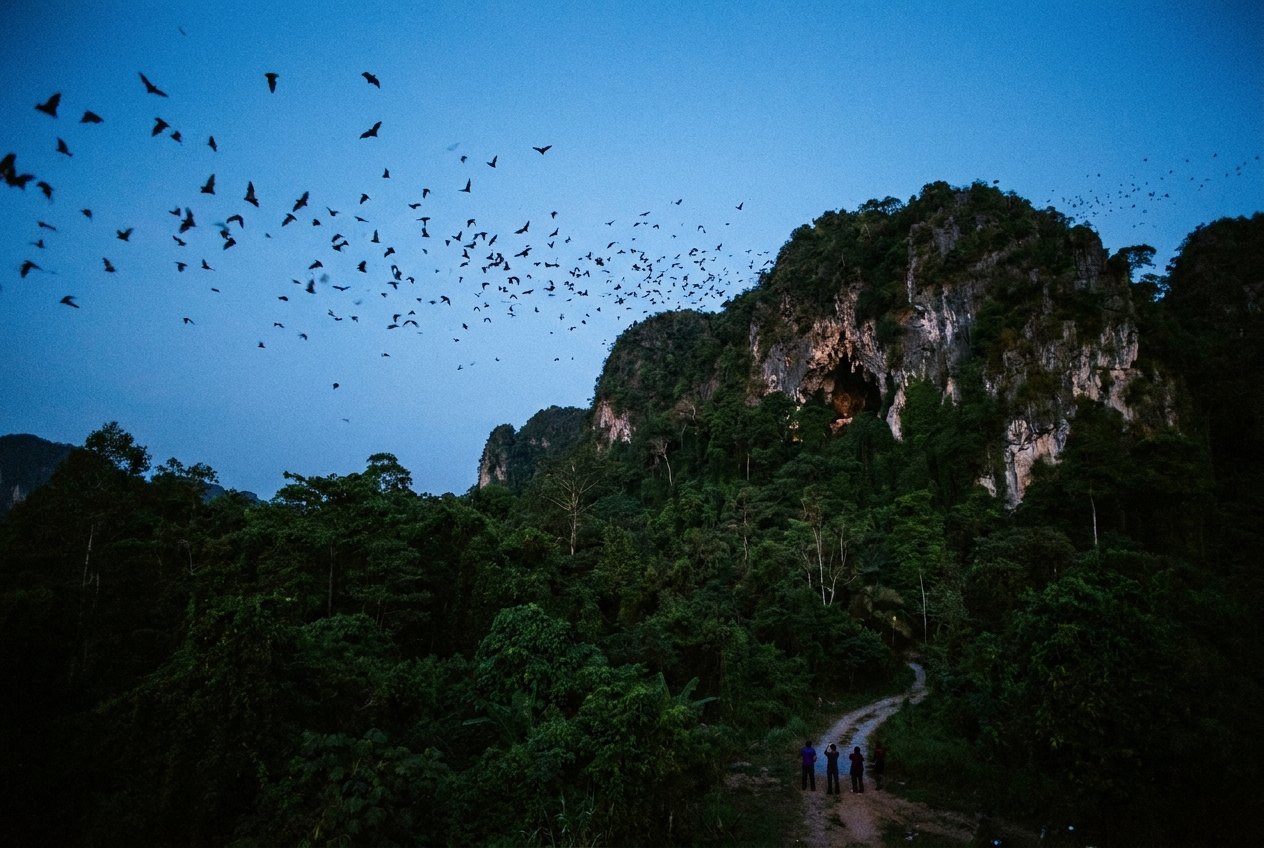
As the light fades in the evening, they begin to leave. At first a few bats flutter out, then more, until at the peak a steady stream pours from the cave entrances into the dusk. The sound of so many wings, and the faint smell of the cave, add to the effect. Many of the bats eat insects, and some feed on fruit or nectar, playing an important part in pollinating plants and spreading seeds through the forest.
The emergence depends on the bats, the weather and the season, and no two evenings are quite alike. A guide familiar with the hill will know where to watch from and when.
The walk up
Reaching the caves usually involves a steep walk through the forest on paths that are rough, uneven and often slippery, especially after rain. There may be roots, loose rock and muddy patches to negotiate. It is not a stroll, and a reasonable level of fitness helps.
Because the bats leave at dusk, visits typically start in the afternoon and finish after dark. That means walking back down through the forest at night, so a good headlamp or torch is essential, along with shoes with a firm grip. Long sleeves and trousers protect against insects, scratches and plants, and plenty of water is needed in the heat.
Going with an experienced local guide is the wise choice. The paths are not always obvious, the terrain is tricky, and the forest is easy to get lost in after dark. A guide also knows how to watch the bats without disturbing them and which areas to avoid. Arrangements and any fees vary, so check before you go.
 Another lime · Northern RangeThe Arima Valley and its hummingbird verandah
Caves and health: take care
Bat caves come with a particular health risk. The droppings of bats, called guano, can harbour a fungus that causes histoplasmosis, a lung infection people catch by breathing in spores from disturbed guano or soil. Most healthy people who are exposed have mild symptoms or none, but it can be serious, especially for people with weakened immune systems.
- Do not go into the caves unless you are with a guide who knows them and you understand the risks.
- Watching the emergence from outside the cave mouth is safer and still a wonderful sight.
- Avoid kicking up dust or guano, and do not touch the bats.
- If you have a health condition, ask your doctor before going near bat caves.
- If you develop a fever, cough or chest pain in the weeks after a visit, tell a doctor that you were near a bat cave.
Caves are also fragile habitats. Disturbance from noise, lights and people can stress the bats and harm their colonies, so keep visits short and quiet and follow your guide.
Respect for the bats
Bats are often misunderstood, and some people still fear them. In fact they are vital to tropical forests. Insect-eating bats consume huge numbers of insects, while fruit and nectar bats pollinate flowers and spread seeds that help forests regrow. Watching them pour out of the hill at dusk is a reminder of how much life the forest holds after dark.
Keep torches pointed down while the bats are leaving, avoid flash photography and stay out of their flight paths. Let them pass, and enjoy the spectacle.
Combining Tamana with other trips
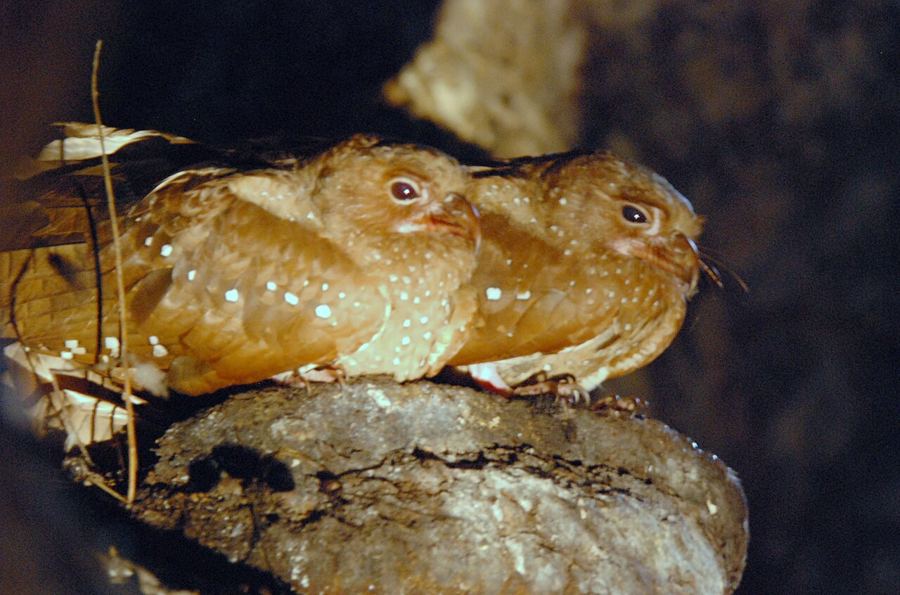
Tamana sits within reach of several other places in central and northern Trinidad. If you enjoy wildlife after dark, the oilbirds of the Arima Valley make a fascinating comparison, as they too spend the day in caves and use sound to navigate. For a gentler evening with birds, the scarlet ibis in the Caroni Swamp are hard to beat.
Because the hill lies away from the main tourist routes, arrangements take a little more effort than a day at the beach. Ask well ahead, confirm where to meet and how long the outing lasts, and find out whether the walk is suitable for your fitness and age. Children who are used to hiking may enjoy it, but the night descent is tiring, and younger children are often better off watching wildlife somewhere gentler.
Start early on the day of your visit, rest before the climb, and plan to drive home after dark with care. The guide to seasons and staying safe has general advice for days out in the forest.